Era Pickleball Facility Spotlight: Local Gems
You don’t need to hunt for a good pickleball scene for long when you’ve got a string of local spots that feel like secret handshakes shared among players who show up rain or shine. Era Pickleball has built a landscape where the sport isn t just a hobby but a community anchor. What follows is a field report from a season spent bouncing between indoor courts, outdoor courts, clinics, leagues, and the everyday rituals that keep players coming back. This is not a glossy brochure piece. It’s a grounded read from someone who has watched the same weekday regulars evolve into a friendly network of practice partners, mentors, and friendly rivals.
The first thing that stands out about Era Pickleball facilities is the emphasis on continuity. In a sport that can feel improvised because it moves so fast, Era has stitched together a rhythm that helps players progress while preserving the joy of the game. You’ll notice it in the layout, in the way courts are lit, in the sound of warm-up shrieks and the soft thump of paddles, and in the staff who remember your name after three visits even if your game has changed since last week. It’s not magic. It’s an intentional blend of infrastructure, programming, and culture that keeps a wide range of players engaged.
For the seasoned competitor, the indoor venues under Era Pickleball carry a quiet confidence. The courts are uniformly surfaced, not too bouncy, with lines that stay crisp through a weekend flood of play. The lighting is designed for clarity rather than drama, which matters for doubles dynamics and quick net transitions. You quickly notice the difference between a space that supports long rallies and one that invites sloppy footwork. The barriers are clear: a well-marked non-volley zone, a dependable kitchen line, and a consistent ball bounce no matter which court you’re on. These aren’t cosmetic features; they’re the conditions that let Era Pickleball era pickleball a two hour practice pass with the sense that you achieved something tangible—better footwork, more relaxed shoulders, cleaner serve returns.
The outdoor courts carry their own personality. In fair weather, you’ll hear the cicadas and the distant skate park kids trading tips about deep returns. In spring and fall, the air holds a moisture that seems to sweeten the ball, and the backboards shed gusts that remind you to keep your eyes on the stripe. The surface is different enough from the indoor carbon copy to require adjustments—your serve arc needs to respect a slightly heavier ball flight; your footwork must read the slower, heavier bounce from the sunlit courts. The best outdoor experiences at Era come with a routine you can count on: a morning warm-up on the shaded courts, a mid morning scrimmage that shapes your partnerships for the afternoon leagues, and a late session when the light softens and the day closes with a casual doubles set that ends with laughter and a plan for tomorrow.
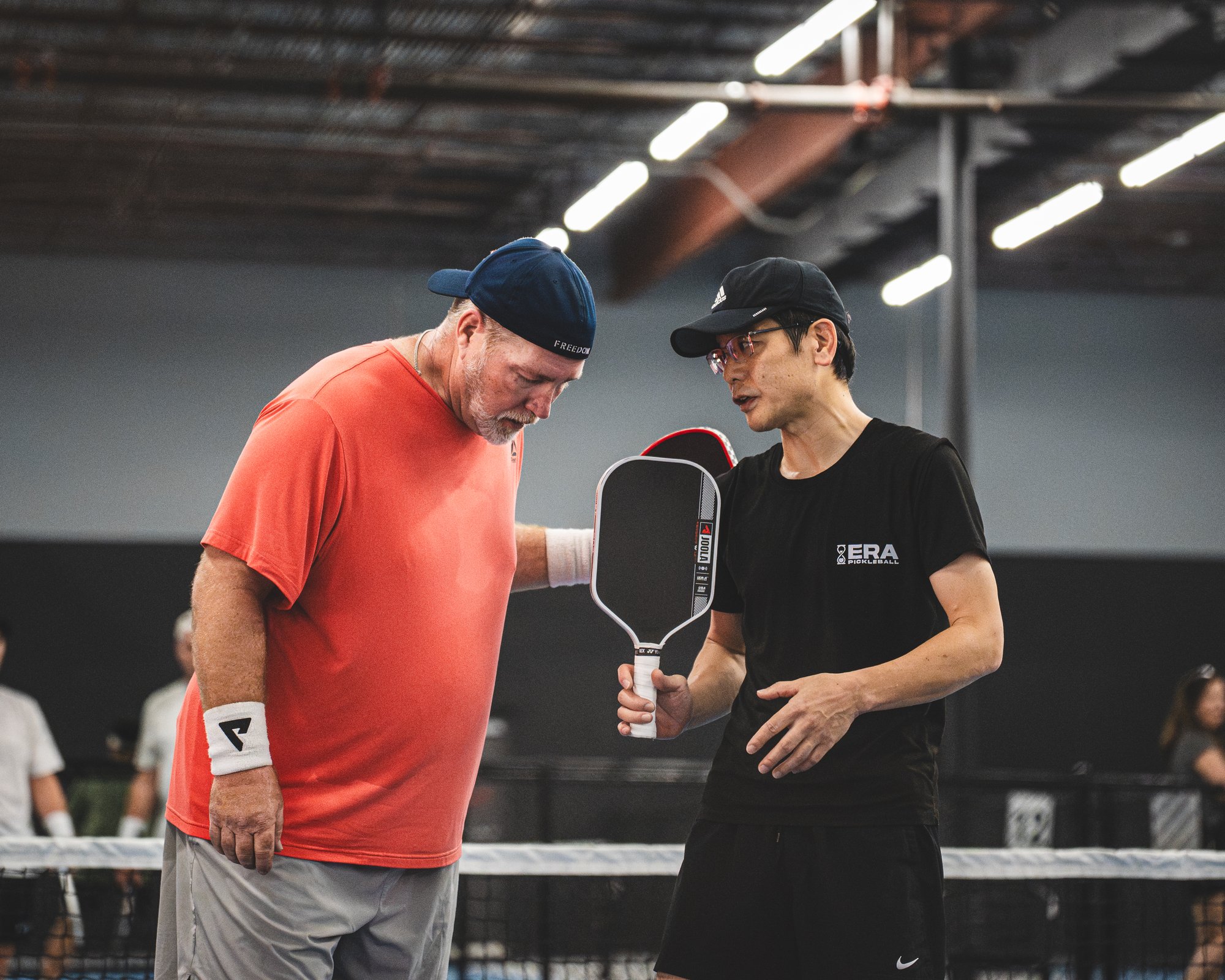
If you want to understand the value of Era Pickleball as a facility network, you need to look at the people who anchor it. The coaching staff consistently balances technique with practical wisdom. They’ll show you a drill and give you a reason why it matters in competition, then tell you the story behind the drill—how a similar movement helped a player recover from a shoulder strain or tighten their late game when the pressure increased. The league organizers do something just as important: they craft pathways. They don’t stack the deck with a single ladder of winners; they offer multiple tiers so a player who is still learning can test progress without feeling crushed by more advanced opponents. The effect is tangible. The gym feels busy, and that energy translates into a kind of social accountability. When you say you’ll meet a partner at 6 p.m., you show up, because missing the plan would derail both your practice and theirs.
The membership model at Era Pickleball is a practical engine for participation. It isn’t a one size fits all matrix. There are options that work for families with limited evenings, for commuters who need a predictable schedule, and for players who want the deeper infusion that comes with frequent access. The pricing is transparent, and it shifts with the realities of court maintenance and staffing. What matters for most players is the balance between value and flexibility. If you can swing a monthly pass that includes court time and a couple of coaching credits, you’ll probably find you use it a lot more than you expect. The real win is not in saving a few dollars a session; it’s in removing the friction that stands between good intentions and consistent practice.
A phrase I hear often from players who rotate through Era facilities is that the space feels like a hub for the sport rather than a simple recreation center. That distinction matters. It’s not just a place to play; it’s a place to develop. You’ll see players who come in for a quick two on two, then linger to watch a clinic run by a visiting pro who shares a single, executable insight—the kind of nugget that changes the next return to the kitchen, the next drive from the baseline, the choice of when to sprint to the net or reset at the midcourt. The best arenas attain this cadence: you arrive with a plan, you leave with a slightly sharper version of your game, and you carry a few more stories about the people you played with along the way.
What follows is a closer look at the threads that hold Era Pickleball facilities together, from the practicalities of space to the subtler art of community.
The spaces you’ll likely encounter
Indoor pickleball courts at Era Pickleball are built with the double aim of speed and accuracy. A clean, consistent surface underfoot makes those quick multi-directional shifts more predictable. The lighting isn’t dramatic; it’s steady and low glare, a feature that matters when you’re tracking a ball as it zips toward the sidelines at a shallow angle. There’s a quiet cadence to the indoor atmosphere: the shuttle of carts carrying balls, the soft thud of balls meeting paddles, and a distant hum of conversation that never crosses into distracting noise. In practice, you’ll notice the way the court color and boundary lines anchor your sense of space. It’s a clearing you step into with a clear mind and a plan to execute.
Outdoor venues offer a different set of aesthetics and a unique set of tactical considerations. The wind is not a villain but a variable to adapt to. A crosswind can push a soft drop shot into space or push a drive out to the far corner faster than you expect. The courts are typically well maintained, with a consistent resin or asphalt surface that accepts spin without suddenly changing bounce mid rally. The nets hold a tautness that tells you this is a serious facility where the equipment is well cared for. Players who stress their ankles in long summer games will appreciate the shade structures and the seating offered to spectators and families. You can watch a match, learn from the pros and still have a place to rest between sets without feeling removed from the energy of the court.
Coaching is a through line that ties spaces together. Era’s instructors come from a spectrum of backgrounds: club level players who have spent years refining footwork, college athletes who bring strategic continuity to your doubles pairs, and former professionals who can translate advanced tactics into approachable drills. The coaching culture emphasizes quick wins—techniques that reduce the effort required to execute a good shot, not just the power behind it. It’s common to see a young player practicing a serve into a cone to establish a consistent contact point, or a parent watching a drill from the bench and talking through the decision tree for shot selection as the rally unfolds. These micro-moments matter because they cumulatively shape how players think in the moment during a tense rally. The goal is not to overwhelm with technique but to provide enough reliable signals to let players trust what they’re doing when the tempo amplifies.
Programs that broaden participation
Era Pickleball’s calendar is not a single track but a mosaic that accommodates people at different stages of their journey. If you’re new to pickleball, you’ll find clinics that deconstruct the serve, the return, and the simplest transition to the net. The coaches pair fundamental instruction with an emphasis on feel—how the paddle meets the ball, how your feet align with your upper body, and how to manage the pace of a rally without losing your balance. The clinics tend to run in short segments, which is a deliberate choice. Short blocks reduce cognitive load for beginners and allow you to taste success more quickly, which in turn fuels consistency.
If you’re stepping into the sport after a hiatus, Era’s reintroduction clinics acknowledge the gaps you’re likely to encounter after time away. The pace is tailored to those who know the basics but lost some confidence on the court. The drills emphasize reestablishing rhythm—neutralizing fear of the ball, reconstructing footwork patterns, and rebuilding decision speed so you’re not overthinking every shot. The beauty of this approach is that it respects your experience while recognizing the specific adaptations that come with time off the court.
Seasonal leagues provide the mainline for competitive players and a social ladder for casual players who crave a regular challenge. The league format tends to balance teams across skill bands, a practical approach that prevents early season mismatches from spoiling the learning curve. There are also occasional one off tournaments that test a broader range of competencies: poise under pressure, recovery after a mishit, and the subtle art of channeling a momentum shift into a winning run. For those who want to work on doubles chemistry, the leagues are a particularly fertile ground. You learn to anticipate your partner’s plays, you adapt to their timing, and you discover you can often predict which side your opponents prefer to attack based on their earlier rallies. The net payoff is a tangible improvement in your ability to cope with pressure and to keep your composure when the score ticks higher.
One of the most practical offerings at Era is the performance tracking they provide as part of some memberships and clinics. It isn’t invasive or clinical. It’s a simple, recurring check that measures your reaction time, your accuracy on a short serve drill, and your success rate on the third shot drop from the non volley zone. The value isn’t in the raw numbers alone but in the discussion that follows. The coach will interpret your data for you, identify a few core adjustments, and then assign a week of focused practice while you still have that momentum from a satisfying match. It’s not a gimmick; it’s a coaching discipline that helps you quantify progress in a sport that rewards incremental improvement more than sudden perfection.
What to expect on a first few visits
If you’re new to the Era ecosystem, the first few visits can feel like stepping into a busy, well greased machine. There are a few tactile things you can do to punch above your weight on your first week. First, book a structured time block. A steady schedule helps you acclimate to the court rhythms and reduces the cognitive load of deciding where to go and when. Second, sign up for a beginner friendly clinic or a doubles basics session. You’ll walk away with a repeatable set of actions that make your next game more approachable. Third, introduce yourself to the corner staff and a couple of players. People who are already part of the network tend to be generous with tips and will often partner with you for a few drills or an informal match to test what you learned in class. Fourth, carry a small notebook or the notes app on your phone to record one or two insights from each session. A compact archive of small adjustments compounds and makes your progress visible after a few weeks. Fifth, bring water and a light snack. It’s easy to underestimate the energy drain from a couple hours on court, and a quick break combined with hydration can prevent fatigue from eroding technique.
The local gems worth exploring
Era Pickleball’s footprint is multi city friendly, but the most meaningful experiences tend to center around the human scale of the facility you choose. For some communities, the indoor venues become a sanctuary during long winters, a space where a crowd of players can still train with the same focus and camaraderie you’d expect from a summer club. In other places, the outdoor courts carry a social life of their own, a place where a late afternoon game can attract a small audience of neighbors who stay for the post match chatter. In either case, you’ll find a predictable rhythm: warm up, rally, practice, wrap, and then a quick review of what you learned. That structure is not a box to check; it is a way of honoring the practice culture that makes the sport feel accessible rather than intimidating.
One surprising benefit of Era’s network is how it fosters cross pollination among players from different backgrounds. You’ll see weekend players who started on a community court side by side with a few ex collegiate athletes who still chase the perfect ball rotation in their spare time. The conversations that happen after a friendly match can last as long as the sun stays high on the outdoor courts. They range from technique breakdowns to tactical shifts in doubles formation to the best light lacquer for paddle grips in a humid climate. This is the texture of a robust pickleball scene: people who arrive with a plan, people who commit to a schedule, people who stay long enough to become mentors and future partners.
Trade offs and edge cases
No facility is perfect, and Era Pickleball is no exception. The busiest hours can feel crowded, and the flow between booking, check in, court availability, and the start of a clinic can become a little knotty if you’re not accustomed to it. The trade off is a highly utilized space with frequent programming that keeps the courts moving and the energy high. If you value absolute quiet and the ability to practice without interruption, you might prefer dawn sessions or mid afternoon windows when a few courts are reserved for leagues and practice groups. The upside is a consistently active scene with a steady stream of players at your skill level and above.
Another edge case to consider: the quality of coaching can vary a touch depending on the time of day and the staff schedule. This isn’t a failing so much as a reminder that you’ll want to try a few different clinicians to find the pairing that clicks with your learning style. The best coaches are those who can translate complex strategy into a simple action you can perform on the next rally. If you identify a coach who fits your style, you’ll gain a lasting advantage without having to drill your way through a plateau.
The bottom line for players
What makes Era Pickleball a compelling proposition is not a single feature but the constellation of practical design choices and people-centric programming that align with how players actually learn and improve. It’s the quiet confidence of a well maintained court, the clarity of the line markings that let your eye lock onto return trajectories, the patient instruction that helps beginners feel capable, and the social tempo that makes a week feel complete after a few hour long sessions. If your goal is to find a pickleball home where the rhythm supports consistent practice, you’ll likely find it here.
A practical note for readers who want to check the pulse of a facility before committing long term: consider observing two elements on a single visit. First, watch the flow of a doubles match between players with two different skill levels. How quickly do they adjust positions at the net as the rally stretches? Do you hear coaching cues from the sidelines that both accelerate and empower the players on the court? Second, ask about the rolling calendar of clinics and leagues. A healthy facility updates its offerings with some frequency, and it should be possible to join a program within a week and see meaningful improvements in your game within a couple of sessions. If you can answer these questions with a confident yes, you’re probably looking at a local gem that will stay relevant as the sport continues to grow.
A note on the ethos behind era pickleball facilities
The pillars of the Era network are accessibility, consistency, and a culture of mutual improvement. The facilities are designed to invite players from all backgrounds, whether you’re just trying out a new hobby or you’ve got a bag full of match play from regionals. They don’t pretend to be the brightest arena in town; they focus on the things players actually care about: clean courts, reliable equipment, friendly staff, and opportunities to grow. The result is a place that feels less like a gym and more like a recurring gathering of people who love the sport and want to see each other advance.
If you’re reading this and thinking about your own pickleball ambitions, here are a few practical takeaways to carry into your next Era visit:
- Treat court time as a chance to practice a specific skill rather than a game only. A short, focused drill can produce longer lasting improvements than a long, unfocused rally.
- Prioritize consistency over flash. A reliable serve return, a predictable bounce on the third shot, and a calm net stance will outlast a few moments of spectacular but inconsistent play.
- Use the coaching ecosystem to guide your development. If you find a coach who connects with your goals, commit to a small schedule and let the feedback compound.
- Engage with the community. Sign up for a clinic, introduce yourself to the staff, and find a practice partner for the week. The social ecosystem accelerates learning as much as the physical practice.
- Plan for the weather. If you’re in a climate that is seasonally variable, use the indoor spaces during the cold months and the outdoor courts when the sun is friendly and the wind is manageable. The balance keeps your training cadence stable year round.
The reward is a sport that feels less like a sporadic hobby and more like a grounded daily ritual. Era Pickleball’s facilities, with their lockstep routines and human-scale energy, offer a compelling map for players who want to grow without losing the joy of the game. The best way to know if it fits your needs is to visit, observe, and then step onto the first court with an intention that aligns with your current goals. You may find yourself returning to the same place not because it is the easiest option but because it has become the space where your own improvement takes shape, one serve, one rally, and one conversation at a time.
Two quick reflections from the season, in closing
First, the most enduring value of Era Pickleball isn’t a single feature but a combination of people, space, and programming that supports steady improvement. If you measure a facility by how many players show up, how quickly they learn to coach themselves into better rallies, and how often you leave with a plan you can implement tomorrow, Era ticks a lot of boxes.
Second, the social fabric around Era facilities matters as much as the surface you practice on. The friendships formed on a windy outdoor court, the shared tips after a close match, and the way a clinic partner remembers your preferences weeks later convert a sport into a hobby with real staying power. That’s what keeps players coming back, again and again, season after season, year after year.