Era Pickleball: Comprehensive Pickleball Center Programs
The heartbeat of Era Pickleball sits in its programmatic clarity and the quiet confidence that comes from years of watching players grow. When I first visited the center, the courts hummed with the steady rhythm of paddles meeting polymer faces, but what stuck with me was the way the campus had organized opportunity. This is not a place that offers a few generic drills and calls it a day. Era Pickleball designs whole journeys, from introductory sessions for brand-new players to advanced curricula for competitive athletes chasing national tournaments. The center’s approach shows in its balance of accessibility, structure, and measurable progress. It is possible to walk through the doors and feel both welcome and challenged, depending on where you stand in your own pickleball arc.
A big part of Era Pickleball’s identity lies in its programming philosophy. The staff understand that people arrive with different goals, backgrounds, and time constraints. Some players want social games and casual workouts; others want a data-driven path toward higher ratings or college-level play. The center responds with flexible curricula, anchored by experienced coaches who bring real-world match experience into every lesson. You don’t have to pretend you already know everything to participate. The programs respect your starting point while laying out a transparent runway toward improvement.
What makes the center’s programs distinctive is how they translate theory into practice. You can study kitchen rules, shot selection, footwork patterns, and strategy in the same session, then apply it immediately on the court during controlled drills or friendly matches. The coaching team uses a mix of video analysis, live feedback, and situational scrimmages to deepen learning. They’re not merely teaching a set of techniques; they’re guiding you into a better understanding of shot economy, risk assessment, and match tempo. The effect is practical, not theoretical. Players leave with a plan that can be implemented in the next practice or the next weekend social.
The real-world impact of Era Pickleball’s offerings extends beyond the individual. The center acts as a community hub for players at all levels. It hosts clinics that pair novices with seasoned players, facilitating peer-to-peer learning in a supportive atmosphere. It runs league nights that preserve the social feel while injecting healthy competition. It also courts partnerships with local schools and recreational programs, spreading the sport’s appeal to younger generations and helping to diversify the pipeline of players who will someday fill the courts with high-quality rallies and clean dinks.
If you’re weighing whether to commit to Era Pickleball’s programs, consider three guiding questions: Do you want structured progression with clear benchmarks? Are you seeking a community that pushes you to get better while keeping the atmosphere friendly? Are you looking for flexible scheduling that respects a busy life while still delivering consistent practice? The answers will likely align with what Era Pickleball delivers: a thoughtful, results-oriented path that remains welcoming to players who are simply curious about the sport.
Below is a closer look at the core programs the center offers, followed by a practical guide to choosing the right combination for your goals. The focus stays practical, with concrete details about schedule cadence, coaching styles, and how progress is tracked. This isn’t a sales pitch dressed up as expertise. It’s an honest map of how Era Pickleball helps players of every stripe translate time on the court into tangible skill gains.
A structured introduction to the center’s offerings helps newcomers avoid paralysis by abundance. If you are stepping onto Era Pickleball’s courts for the first time, you will notice a deliberate onboarding flow. A quick assessment will determine if you are new to the sport, returning after a break, or moving from social to competitive play. The assessment isn’t about labeling you into boxes; it’s about placing you in the most productive lane from day one. Coaches then guide you through a starter curriculum designed to surface fundamental mechanics without overwhelming you with jargon. The idea is to establish comfortable repeatable movements, which creates a reliable platform for more advanced instruction down the line.
For players with some experience, the center offers more than a standard drill session. A typical intermediate program blends technical refinement with strategic coaching. You will work on shot selection under pressure, transition into the non-volley zone with confidence, and practice deception and placement in the context of live rallies. The coaching conversations tend to be concrete and scenario-based. Instead of abstract theories, you hear phrases like, “when they push to your backhand corner, respond with quick, low drives and finish with a controlled dink,” which gives you actionable cues you can use in the next match.
Competitive pathways deserve particular attention. Era Pickleball understands the different corners of high-level play. They offer a resume of activities designed to scaffold a player toward tournament readiness, including structured match play, targeted drills, and performance reviews. The center’s tournament prep stream emphasizes mental resilience, strategy rotation, and time management in matches that mirror real-world pressure. Players learn to pace themselves across longer formats, preserve energy for critical transition points, and manage the emotional rhythm that comes with close calls and big favorites.
One of the most practical features is the way court time is scheduled and allocated. Era Pickleball operates with a clear calendar that reveals when courts are reserved for clinics, when open play is available, and how to book private coaching sessions. The booking system is straightforward, and the team encourages early reservations for popular time slots. This matters because it reduces the friction many players face when trying to fit a sport with a fixed court schedule into busy lives. Clear expectations around cancellations and make-up sessions help keep the system fair and predictable, which in turn keeps the community humming along.
If you want a quick sense of the core tracks, you can think of the offerings in three broad lanes: guided education for beginners, progressive development for intermediates, and performance-focused preparation for ambitious competitors. Within each lane, Era Pickleball builds a tight feedback loop. You practice, you are observed, you adjust, and you test again. The cycle is continuous rather than episodic, which is essential for players who want to see measurable growth rather than a few isolated wins.
Two features consistently stand out to players who stay long enough to notice. First, the coaching staff treats every session as a collaborative problem. They don’t simply broadcast what you did wrong; they invite you into the process of diagnosing why certain decisions feel uncomfortable or yield suboptimal results. Second, the center rarely isolates technique from tactical thinking. You will drill a backhand slice to a corner and discuss how that choice affects your next shot angle. The integration of skill and strategy is deliberate and visible in how players perform during practice and in their weekend scrimmages.
If you want to understand the practical scope, here are tangible avenues you can expect to encounter:
- A tiered onboarding path that respects your starting point and your appetite for challenge.
- A blend of group clinics, small-group sessions, and one-on-one coaching to accommodate different learning styles.
- Performance metrics that you can track over time, including rally length, error rates, and court movement efficiency.
- A robust library of drills and play scenarios designed to translate to in-game situations.
- Community-driven events that connect players beyond the court and help sustain motivation.
The following sections explore each program area in greater depth, highlighting what makes them work, who benefits most, and how players can integrate them into a weekly routine without burning out. You will see real-world examples drawn from conversations with coaches and players who have spent years in the era of Era Pickleball.
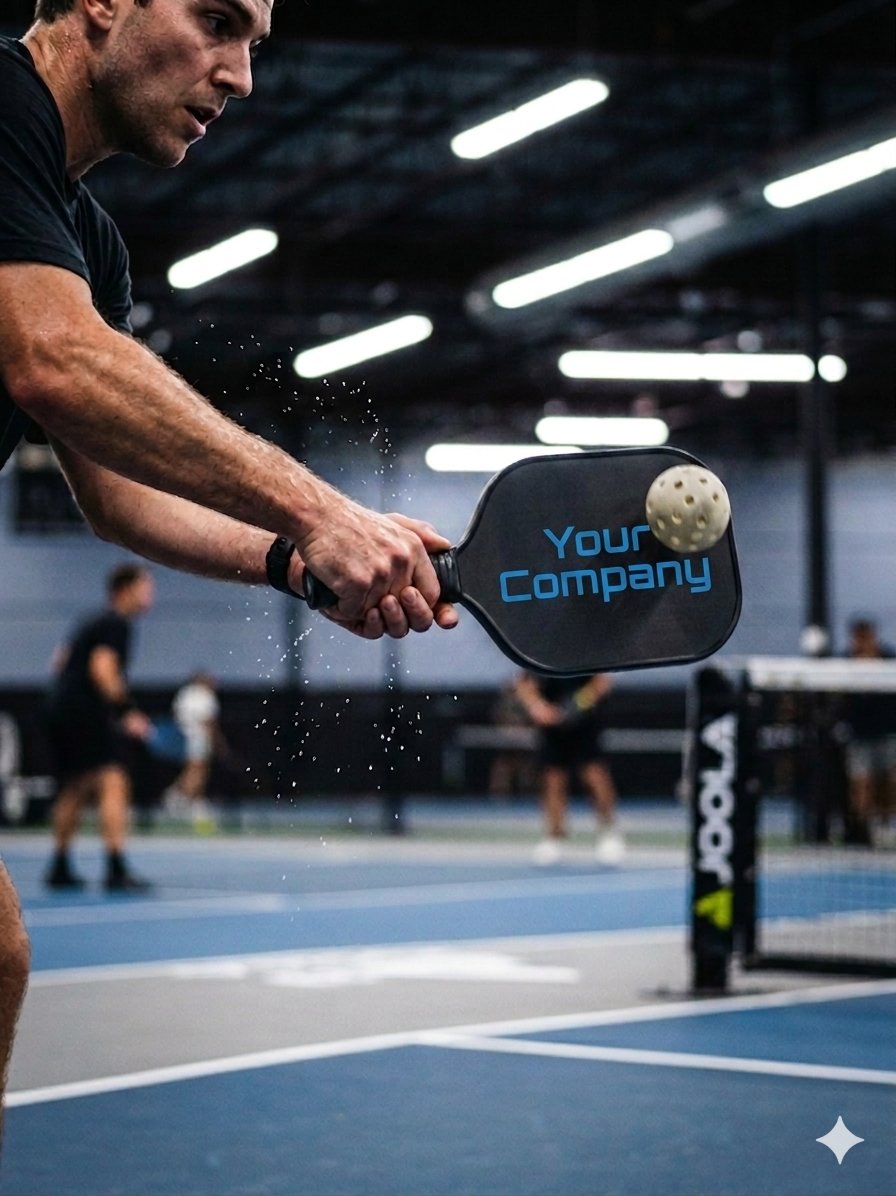
The Beginner’s Gateway: From zero to confident rallies
Starting out in pickleball can feel intimidating. The paddle seems unfamiliar, the court pace is new, and the vocabulary can be dizzying. Era Pickleball meets this moment with a gentle, structured entry that doubles as a social bridge. The first sessions focus on the mechanics that matter most: grip, stance, ready position, and a few reliable shot options. Coaches emphasize feedback that is direct but encouraging, avoiding jargon that can leave newcomers feeling excluded. People who have never pickleball courts near me played before often discover a surprising uplift once they realize that the most important improvements happen in short, deliberate bursts rather than in long, endless drills.
The beginner curriculum leans on high-frequency practice with immediate application. You are not learning to memorize a long checklist; you are building instincts you can trust under pressure. A typical class might begin with a five-minute demonstration of a groundstroke pattern, followed by paired practice where partners feed one another under controlled conditions. The emphasis is on rhythm and consistency. By the end of a first block, you will be able to sustain a short rally, place the ball with intention, and move to the non-volley zone without tripping over your own feet.
Transitioning from beginner to intermediate is a moment of real clarity for many players. The center avoids fanning the flames of pressure with sudden, steep jumps in difficulty. Instead, players are introduced to a carefully paced progression that integrates technique with shot selection in live drills. The coaching team uses simple scoring goals and short, repeatable sequences to help players internalize patterns. The most effective sessions in this lane rely on a few well-chosen drills that can be revisited week after week, each echoing a slightly more complex variant.
The social value of beginner programs should not be underestimated. Era Pickleball designs the schedule so that beginners can absorb, practice, and connect with peers who are learning alongside them. The result is a small but powerful community bond that makes it easier for new players to stay engaged, return for the next session, and feel that they belong in the sport as it grows around them.
The intermediate track: refining technique while sharpening strategy
As fundamentals solidify, players slip into the intermediate tier with a sense of purpose. The coaching philosophy shifts toward precision without sacrificing tempo. You study footwork patterns that let you transition between shots with less wasted movement. You refine your serve so it becomes a reliable weapon rather than a predictable magnet for your opponent. But Era Pickleball does not stop at technique; it places equal weight on decision-making under pressure. When you face a midcourt rally, the focus becomes how to create options, force errors, and finish points in the shortest possible sequence.
A core component of the intermediate pathway is a steady diet of controlled live play, anchored by quick debriefs that connect what happened to what you will try next. Coaches will challenge you with tactical dilemmas, such as whether to push an opponent wide to a backhand corner or to shorten the court with a cross-court drive that changes the trajectory of the rally. These decisions are practiced in a setting where you can experiment without the fear of a heavy loss in a tournament. The feedback is concrete, actionable, and timely, which accelerates learning because it aligns with how players actually perform on the court.
For players aiming to enter tournament circuits eventually, the intermediate program offers a defined path toward competitive readiness. You can expect session blocks that simulate match conditions, with scoring rules that mimic real events. The goal is not just to develop stroke quality but to cultivate the mental discipline required to manage long rallies and turnaround points. Coaches emphasize recovery between points, attention to fatigue, and how to use your body’s signals to sustain performance across matches that might stretch over several hours.
The advanced and competitive axis: honing excellence and building resilience
The most demanding track at Era Pickleball is designed for players who want to push beyond personal bests and chase podium finishes. The core of this lane is a rigorous combination of technical optimization, tactical sophistication, and physical conditioning. Training sessions blend high-velocity drills with scenario-based play that tests your ability to adapt to different opponents, styles, and court conditions. This is where you’ll hear about shot economy in late-game sequences, how to disguise a drop shot until the last possible moment, and how to conserve energy while maintaining aggressive posture in important rallies.
One hallmark of the competitive program is the way it handles data. Video reviews are a staple, with coaches breaking down rallies frame by frame to illustrate where timing or spacing drifted off. You’ll see the same groups looking at serve return patterns, transition moves, and the sequence that finishes points efficiently. This is not about micromanaging every micro-medal moment; it is about building consistent decision-making under duress. Players learn to trust their read on the court and to execute a plan even when the tempo intensifies.
The center also offers a robust support system around competition. Beyond the courts, there are clinics on sports psychology, nutrition for pickleball athletes, and recovery strategies designed to keep bodies resilient through a season of travel and repeated events. For many advanced players, this holistic approach is what makes the difference between finishing a tournament with pride and feeling that you left some potential on the table.
Court rental and facility access: flexible options for every schedule
A practical part of Era Pickleball that players frequently mention is the court rental ecosystem. The center makes it straightforward to reserve court time for solo practice, informally organized group play, or private coaching. The booking process is transparent and user-friendly, with a calendar that highlights available slots, upcoming clinics, and special events. If you are juggling work, family commitments, and training, the ability to lock in a few predictable blocks of practice every week can be a real game changer.
Part of the appeal is how the center treats accessibility. They understand that not everyone can commit to a set schedule and yet still want to stay engaged with the sport. For this reason, flexible options exist to accommodate varying weeks. You can book occasional court time to keep your skills sharp, or reserve longer blocks to sustain a focused practice routine. The rental policy also specifies equipment availability and any required safety guidelines, helping players feel secure as they pace themselves through physical sessions.
For many players, court rental becomes the backbone of their training plan. It is the quiet, consistent thread that keeps practice on track between clinics or coaching blocks. It is also a practical route for group workouts where friends want to train together, share the cost of a longer session, and benefit from the center’s clean, well-marked courts and plentiful lighting for evening play. If you are preparing for a tournament or simply want to sustain momentum between formal programs, rental time often offers the best blend of control, value, and convenience.
Community and events: building a culture around the game
Era Pickleball is more than a facility; it is a community. The calendar is thick with events that bring players together beyond the routine cadence of clinics and drills. Social play nights create relaxed environments where players can test new tactics without the pressure of scoring, while round-robin formats ensure everyone gets a fair amount of court time and friendly competition. For many members, these gatherings are the glue that keeps practice meaningful. The social dynamic helps players form connections, share tips, and cheer each other through milestones, from first smooth rally to confident serve return in a pressure moment.
Clinics that pair experienced players with newer participants are another strong feature. You’ll often see a rotating cast of coaches who share not only technique tips but also stories about travel, tournaments, and the sometimes surprising realities of balancing sport with real life. It adds texture to the experience, turning what could be a dry drill into an opportunity for mentorship, camaraderie, and mutual growth. The events calendar also highlights guest instructors and partner programs that broaden exposure to different coaching styles and approaches to the game.
In short, Era Pickleball’s programs are not merely a schedule of classes; they are a systemic effort to foster long-term engagement. The community becomes an important part of the learning loop, reinforcing good habits and helping players stay committed to improvement over years rather than months. And because the center is mindful of people with varying time constraints, everyone has a path that respects their pace while offering a clear way forward.
What to expect when you sign up
If you decide to engage with Era Pickleball, you will encounter a thoughtfully designed onboarding experience. The first interaction is typically a candid conversation about your goals, past experience, and preferred learning style. This leads to a recommended program path that aligns with your ambitions. The staff emphasize flexible pacing, ensuring that beginners are not rushed into more complex material before they are ready. The result is a sense of progress that feels earned, not forced.
Scheduling is straightforward, but the real value often comes from the coaching relationship. You quickly discover that the most effective instruction at Era Pickleball is built on trust. Coaches narrate what they see during drills, offer precise adjustments, and celebrate small wins that add up over time. If you have performance targets, you can work with your coach to build a plan that fits your calendar, your energy levels, and your personal life.
The center’s facility deserves a word as well. The courts are well lit, the surface provides predictable bounce, and safety is woven into every drill. You will notice that the staff treats maintenance with respect and takes care of equipment in ways that minimize wear and surprise failures. This reliability matters in a sport where small equipment issues can disrupt a practice and derail a training block.
Two lists offer a concise snapshot of the main program axes and the rental options that help players fit practice into hectic weeks. They are designed to be helpful without turning the experience into a checklist.
-
Three pathways for participation: beginner onboarding, intermediate skill development, and advanced competition preparation.
-
A mix of group clinics, private coaching, and match-play blocks to accommodate different learning styles.
-
A data-informed approach that uses video reviews, rally-tracking metrics, and performance benchmarks to measure progress.
-
A calendar-rich schedule that blends clinics, social events, and open play with predictable court availability.
-
Flexible court rental terms to support solo practice, small groups, and team drills.
-
Public and member access to courts, with transparent booking and cancellation policies.
-
Private coaching slots and semi-private options for small groups.
-
The ability to reserve longer practice blocks for consistent training.
-
Access to specialty clinics and guest instructors as available.
-
On-site facilities and equipment support that keep sessions efficient and focused.
If you are weighing the value of Era Pickleball versus other centers, the comparison usually boils down to atmosphere, accountability, and the degree to which a program is designed to be scalable for your long-term growth. Era Pickleball’s strength lies in its coherence across the stages of learning. You sense that the center is not simply offering a service but curating a journey. The staff’s genuine investment in players’ progress becomes evident as you watch a newcomer transform into a confident, tactical player who can manage a long rally and keep tempo during a critical point.
In practice, this means your weekly rhythm can rotate between instruction days and practice days, with optional social evenings that keep motivation high. The intent is to avoid the common pitfall of stale routines by injecting variety into the program through different formats, times, and instruction types. The result is not merely skill gain but a growing sense of belonging to a sport that rewards consistent attention and thoughtful practice.
If you are evaluating Era Pickleball for yourself or for a family member, consider a few practical questions. How many hours a week can you realistically dedicate to practice and play? Would you prefer a strict coaching cadence or a more flexible, self-directed approach that still benefits from expert feedback? Are you aiming for social participation, competitive advancement, or a blend of both? The answers will help tailor the program selections to your life rather than forcing your life into a rigid template.
In closing, Era Pickleball has built a center that respects the sport’s evolving nature while staying grounded in the basics that sustain long-term enjoyment and improvement. It is a place where beginners can discover the joy of a clean rally, intermediates can sharpen their craft, and advanced players can chase excellence with the support of a community that understands how meaningful progress happens—through regular practice, thoughtful coaching, and a culture that treats every match as a learning opportunity. The programs are not about chasing trends but about creating sustainable pathways for players to grow, stay curious, and keep showing up week after week, season after season. If you are ready to invest in your game, Era Pickleball is the kind of center that makes that decision feel both practical and inspiring.